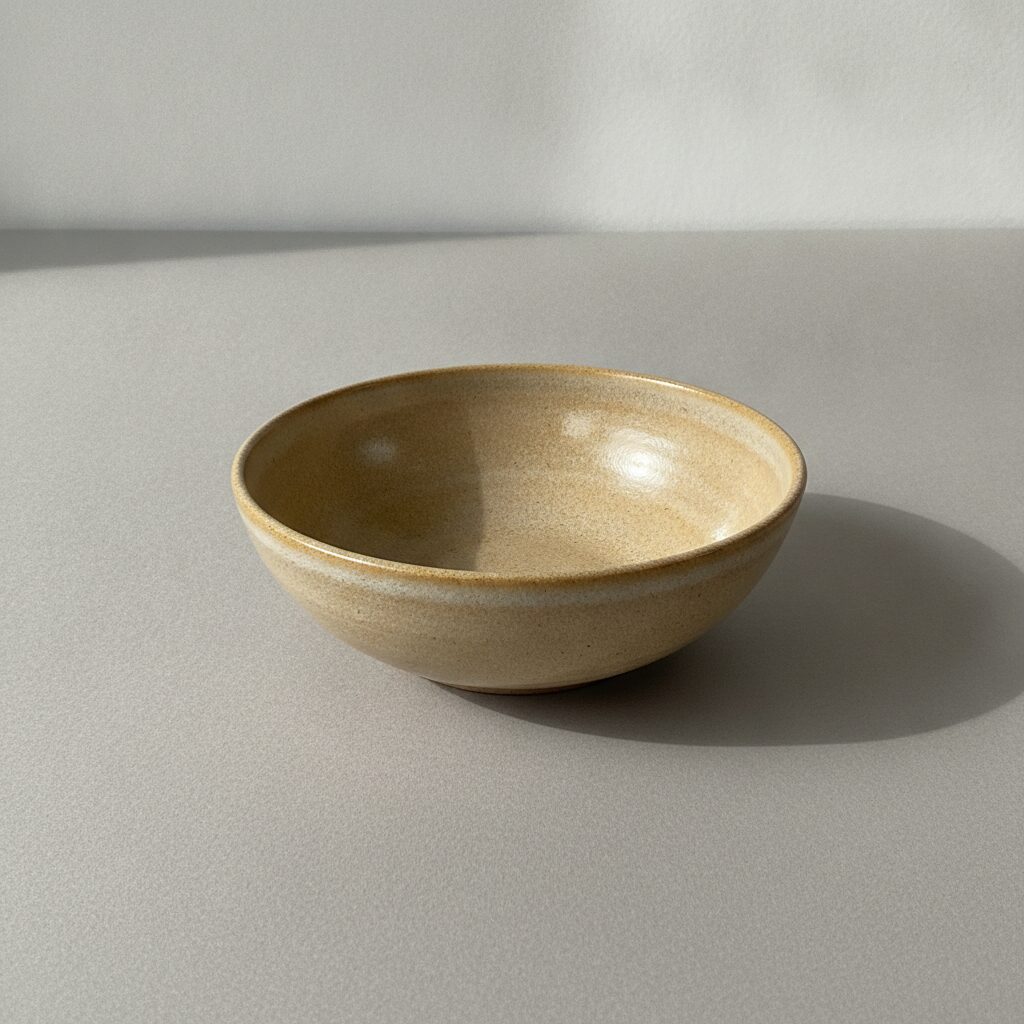
Everyday bowl, 17 cm
Ash-glazed stoneware, thrown eleven blocks from here. Soup, cereal, the last of the pasta.
$36
Buy
Everything here spent six weeks in one of our own kitchens before it earned a shelf. The reason we chose it is written next to the price.
Ash-glazed stoneware, thrown eleven blocks from here. Soup, cereal, the last of the pasta.
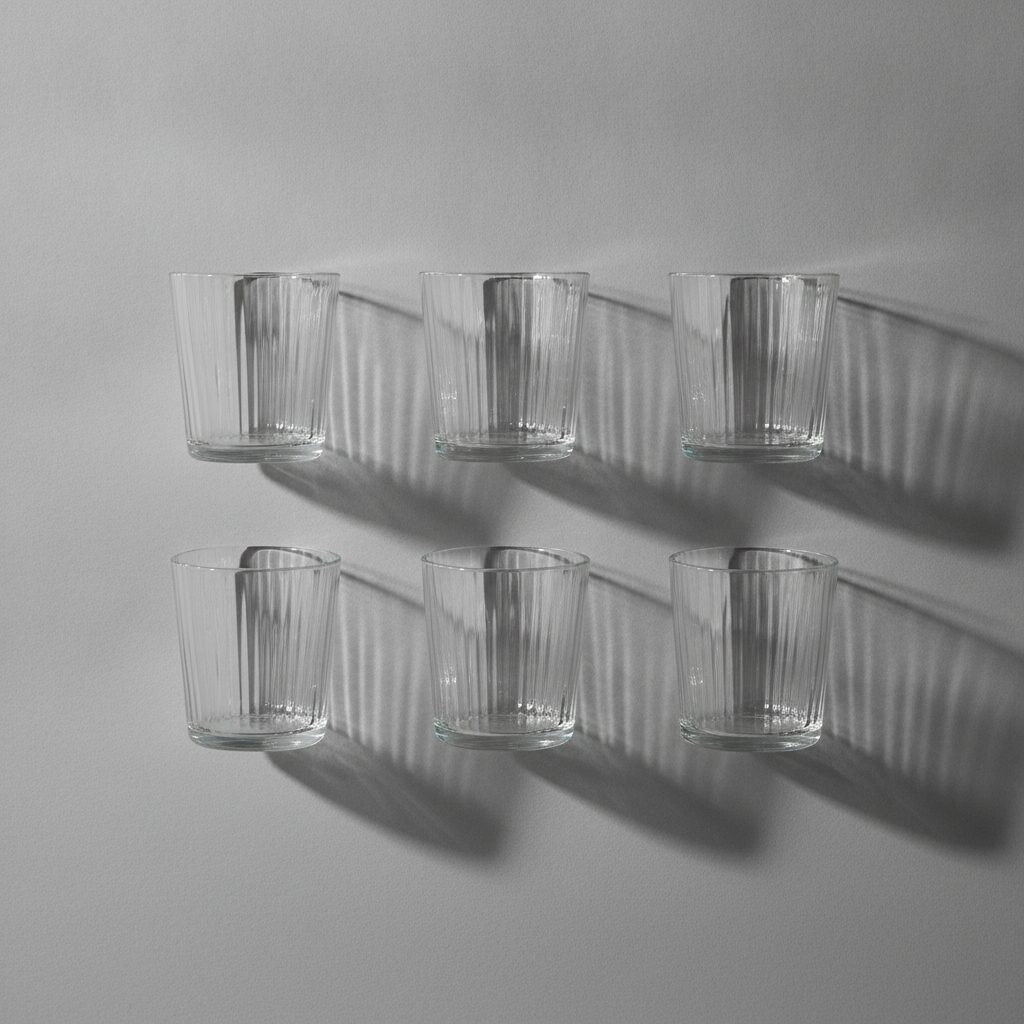
Belgian pressed glass. It stacks, it survives the dishwasher, and it costs nine dollars to replace one.
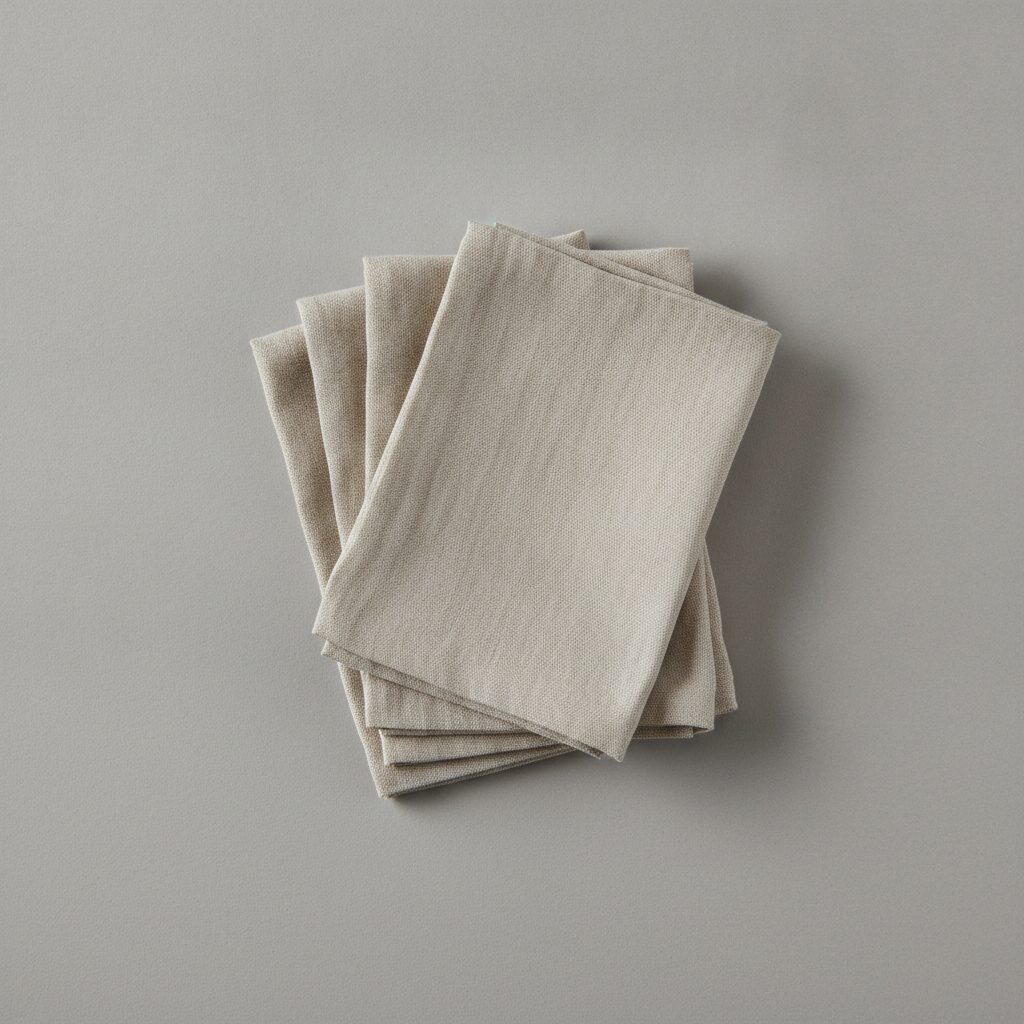
European flax, washed soft before it ships. They get better for about three years, then they stop changing.
Sundry is Ines Karr and Tobias Fenn. Ines spent nine years buying for restaurant kitchens, which is where you learn what breaks. Tobias repaired appliances for a living and can re-tin a copper pan at the bench in the back. We opened on Prentice Street in 2021 with about forty things. There are sixty now. That number goes up slowly on purpose.
Everything on the shelf spent at least six weeks in one of our kitchens. Roughly a third of what we try never makes it into the shop, and we do not write about those.
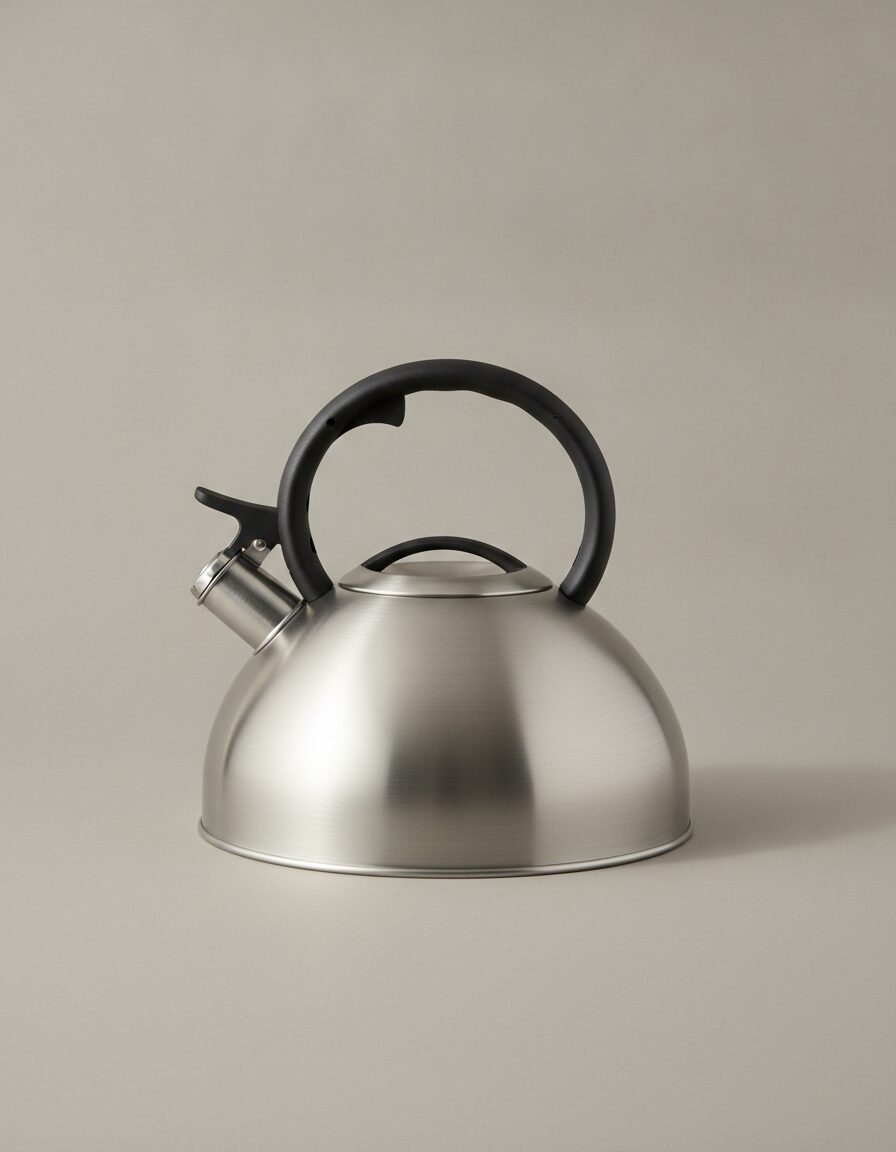
If a part wears out, we want to be able to order that part. The copper gets re-tinned. The kettle gasket is two dollars and we keep a drawer of them.
Every label says who made it and in what town. If a supplier will not tell us where a thing was made, that is an answer, and we pass on it.
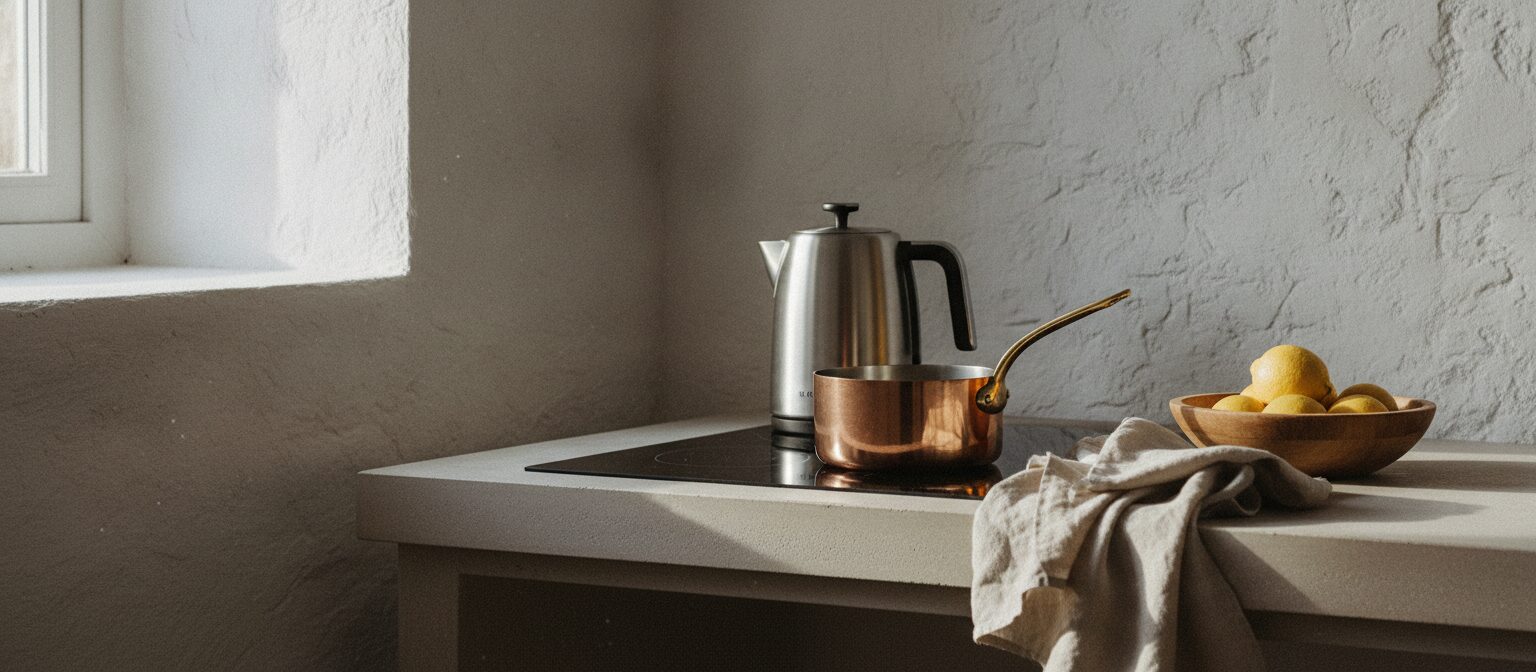
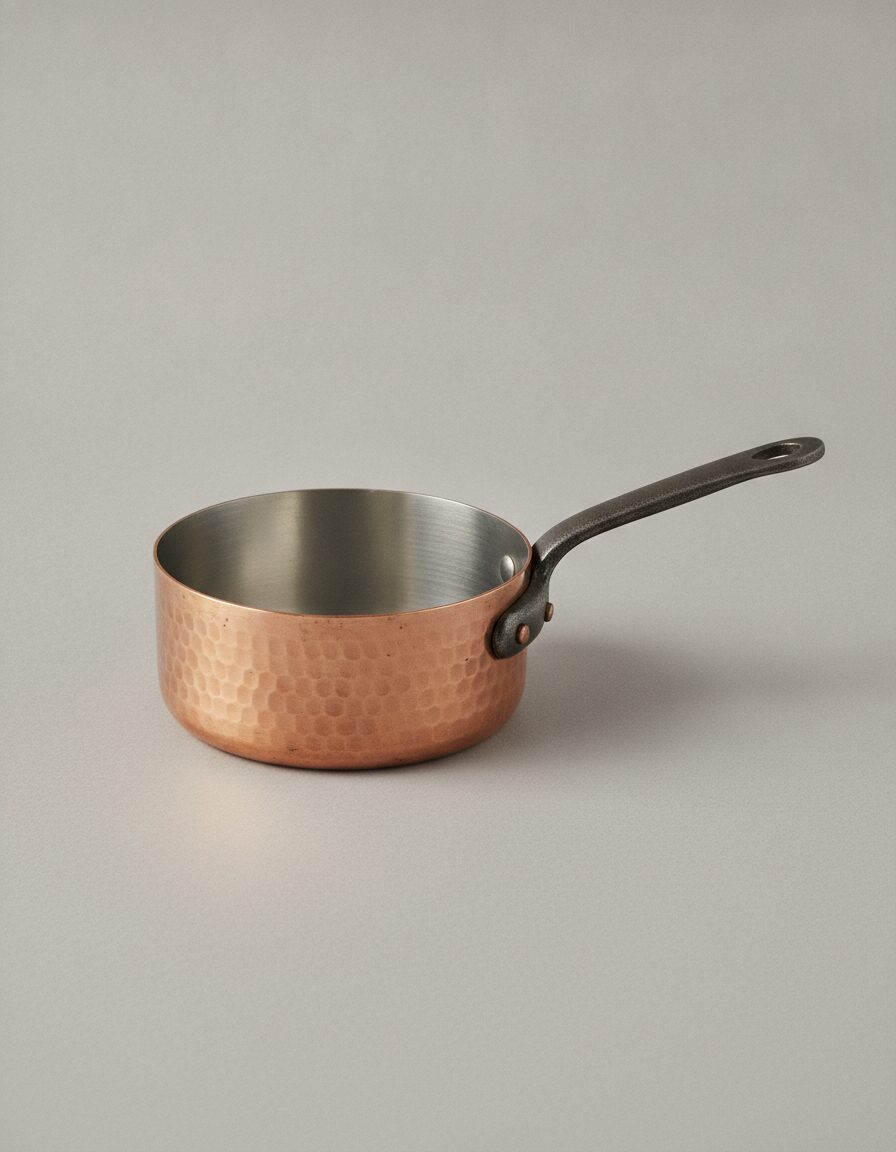
Copper is the most responsive metal you can cook in and the most annoying to own. This one is 2 mm thick from Villedieu, where they have been hammering pans since the fourteenth century, and it is lined with tin rather than steel. Tin is soft, sticks less, and can be redone. When the lining wears through in eight or ten years you send it back and it comes home for about seventy dollars. Tobias has had his since 2014 and has done it once.
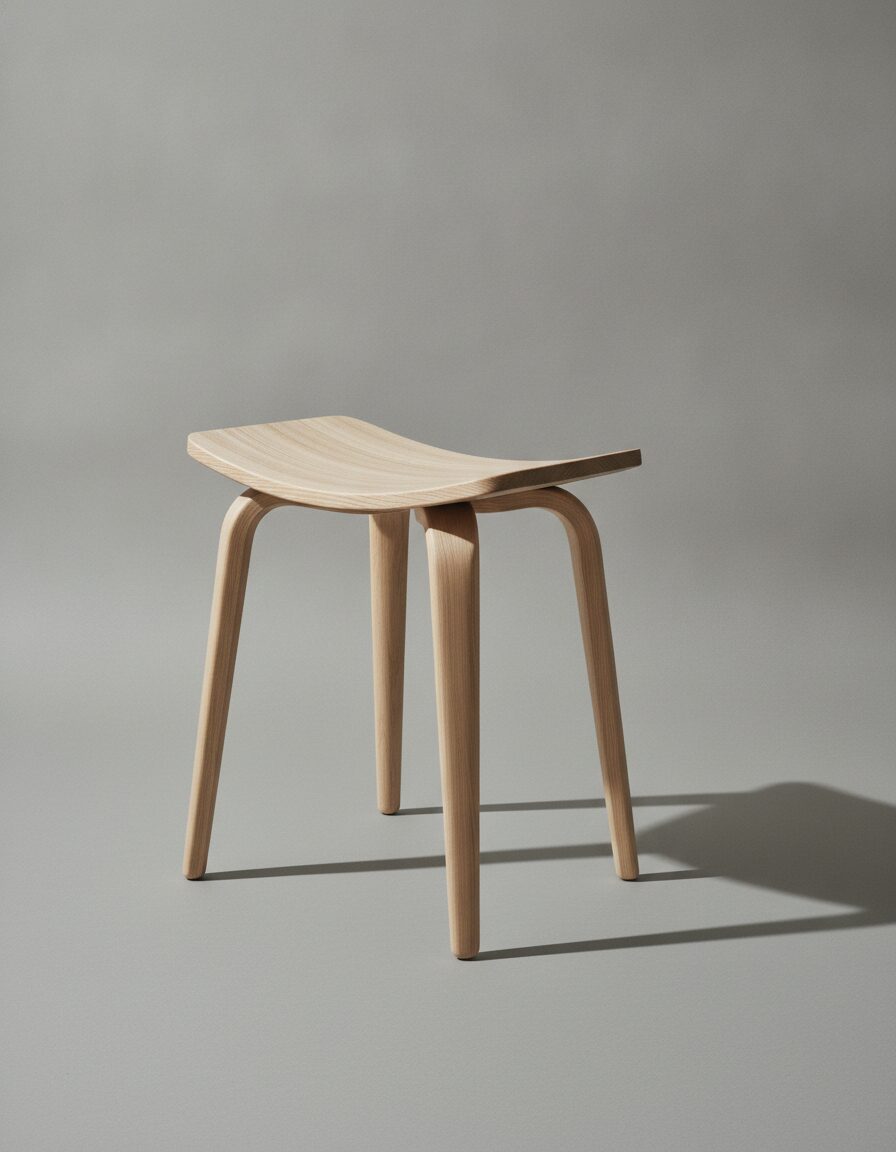
Every kitchen needs one thing to stand on, and most people use a chair, which is how people fall. This is steam-bent ash from a two-person shop in the Carolinas, oiled, no hardware except four screws you can reach with an ordinary driver. It holds 250 pounds, weighs six, and is good-looking enough to leave out where you can see it. That is the whole argument: a stool in a cupboard never gets used.
A straight-edged vegetable knife. It goes down rather than forward, so the board does the work instead of your wrist, and a cabbage stops being a chore. Blue steel core clad in stainless, forged in Miki. It will rust if you leave it wet, which is the trade you make for an edge that comes back in ten seconds on a stone. We sharpen anything bought here for free, for as long as you own it. Bring it in on a Saturday.
Flat $9 anywhere in the contiguous states, free over $150. Orders placed before noon leave the same afternoon, everything else the next working day. Local pickup is free: choose it at checkout and we hold it for a week.
Thirty days, unused, in the box it arrived in. If we described something badly, we pay the postage both ways. If you simply did not love it, the postage home is yours. There is no restocking fee here and there never will be.
Paper tape, shredded kraft, no plastic pillows. Knives ship in a cardboard scabbard we fold at the counter. Glass goes double-boxed and still breaks once or twice a year: tell us and a replacement leaves that day.
We send one letter a month and it is usually about a single object: why we bought it, what we paid, what it does badly. To get it, email us the word list. We add people by hand, and one of us will probably write back.
hello@sundry.example Twelve letters a year, no more. Reply with the word stop and you are off it the same day.